
Sheet Metal Materials Guide
Choose the right material for your enclosure, cabinet, bracket, or OEM fabrication project based on corrosion resistance, strength, appearance, and manufacturing requirements.
Why Material Selection Matters in Sheet Metal Fabrication
Selecting the right material is one of the most important steps in custom sheet metal fabrication. Different materials affect not only the appearance of a product, but also its corrosion resistance, structural strength, fabrication performance, and overall project cost.
For example, electronic enclosures and control cabinets often require materials with good surface quality and corrosion protection, while structural frames may prioritize strength and weldability. Outdoor applications usually demand stronger corrosion resistance, and lightweight products may benefit from aluminum materials.
In addition, fabrication processes such as laser cutting, bending, welding, and surface finishing can perform differently depending on the material selected. Choosing an unsuitable material may lead to cracking during bending, welding deformation, premature rusting, or unnecessary manufacturing costs.
At Triangle Sheet Metal Fabrication, we help customers evaluate material options based on product application, environmental conditions, fabrication requirements, appearance expectations, and budget considerations. Whether you need stainless steel, galvanized steel, aluminum, or custom material solutions, our team can assist in selecting suitable materials for your project.
Key Factors in Material Selection
Corrosion Resistance
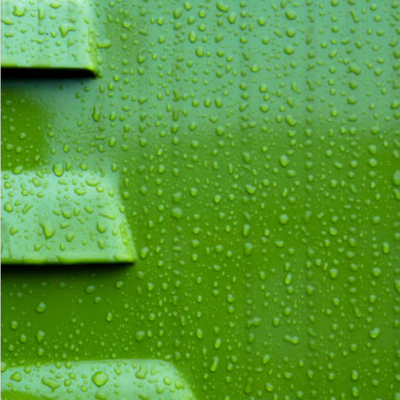
Suitable for indoor, outdoor, or humid environments.
Structural Strength

Support structural stability and load-bearing requirements.
Bendability
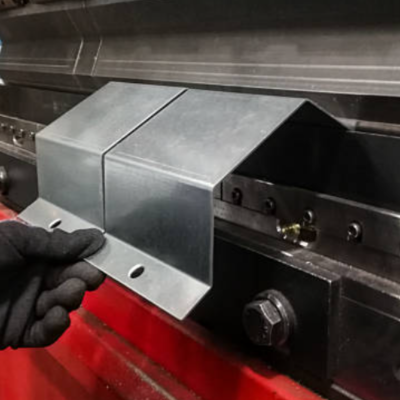
Suitable for complex forming and bending applications.
Weldability

Improve fabrication and assembly efficiency.
Cost Efficiency

Balance material performance and manufacturing cost.
Common Sheet Metal Materials
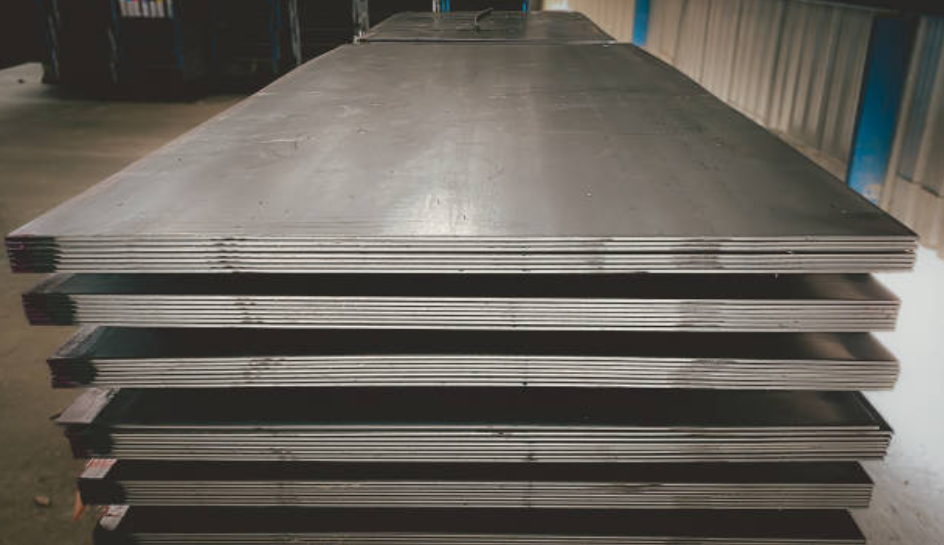


SPCC is one of the most commonly used cold rolled steel materials in sheet metal fabrication, known for its smooth surface finish and excellent forming performance.
| Best For | - Electrical enclosures - Cabinets - Brackets - Powder coated products |
|---|---|
| Advantages | - Smooth surface quality - Excellent bendability - Cost-effective - Easy for welding and fabrication |
| Considerations | Requires powder coating or painting for corrosion protection, especially in humid environments. |


Stainless steel is widely used for applications requiring corrosion resistance, durability, and a clean surface appearance.
| Best For | - Medical equipment - Food processing equipment - Outdoor enclosures - Humid environments |
|---|---|
| Advantages | - Excellent corrosion resistance - Premium appearance - High durability - Suitable for harsh environments |
| Considerations | Higher material and fabrication costs compared to carbon steel materials. environments. |


| Best For | - Control cabinets - Electronic enclosures - Telecom equipment |
|---|---|
| Advantages | - Better corrosion resistance than SPCC - Conductive surface - Good surface appearance - Suitable for indoor equipment |
| Considerations | Not recommended for long-term outdoor exposure or harsh corrosive environments. |

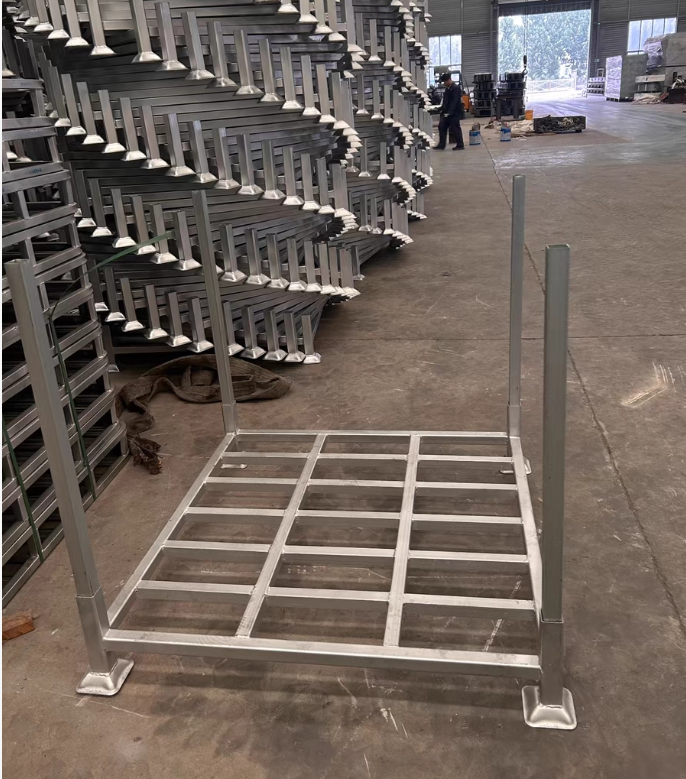
| Best For | - Outdoor brackets - Ventilation systems - General anti-corrosion applications |
|---|---|
| Advantages | - Strong corrosion resistance - Suitable for outdoor use - Durable zinc coating |
| Considerations | Surface appearance is typically rougher than cold rolled materials, and welding areas may require additional protection. |


| Best For | - Lightweight enclosures - Panels - Equipment housings - Structural frames |
|---|---|
| Advantages | - Lightweight - Good corrosion resistance - Modern appearance - Easy machining |
| Considerations | 5052 offers better bendability, while 6061 provides higher strength but may crack during tight-radius bending. |
Sheet Metal Material Comparison
Compare common sheet metal materials based on corrosion resistance, strength, bendability, weldability, and cost considerations.
| Material | Corrosion Resistance | Strength | Bendability | Weldability | Relative Cost | Typical Applications |
|---|---|---|---|---|---|---|
| SPCC | Low | Good | Excellent | Excellent | Low | Enclosures, cabinets |
| SECC | Medium | Good | Excellent | Good | Medium | Electronic equipment |
| SGCC | High | Good | Good | Good | Medium | Outdoor brackets |
| Stainless Steel | Excellent | High | Good | Good | High | Medical, food equipment |
| Aluminum | Good | Medium | Good | Fair | Medium-High | Lightweight enclosures |
For Indoor Applications
Recommended:
- SPCC
- SECC
For Outdoor Applications
Recommended:
- SGCC
- Stainless Steel
For Lightweight Designs
Recommended:
- Aluminum
For Cost-Sensitive Projects
Recommended:
- SPCC
- SECC
For Harsh or Corrosive Environments
Recommended:
- SUS304
- SUS316L
Material Compatibility with Fabrication Processes
| Material | Laser Cutting | CNC Punching | Bending | Welding | Powder Coating |
|---|---|---|---|---|---|
| SPCC | ✔ | ✔ | ✔ | ✔ | ✔ |
| SECC | ✔ | ✔ | ✔ | ✔ | Optional |
| SGCC | ✔ | ✔ | ✔ | ✔ | Optional |
| Stainless Steel | ✔ | ✔ | ✔ | ✔ | Rarely Required |
| Aluminum | ✔ | ✔ | ✔ | Limited | Optional |